




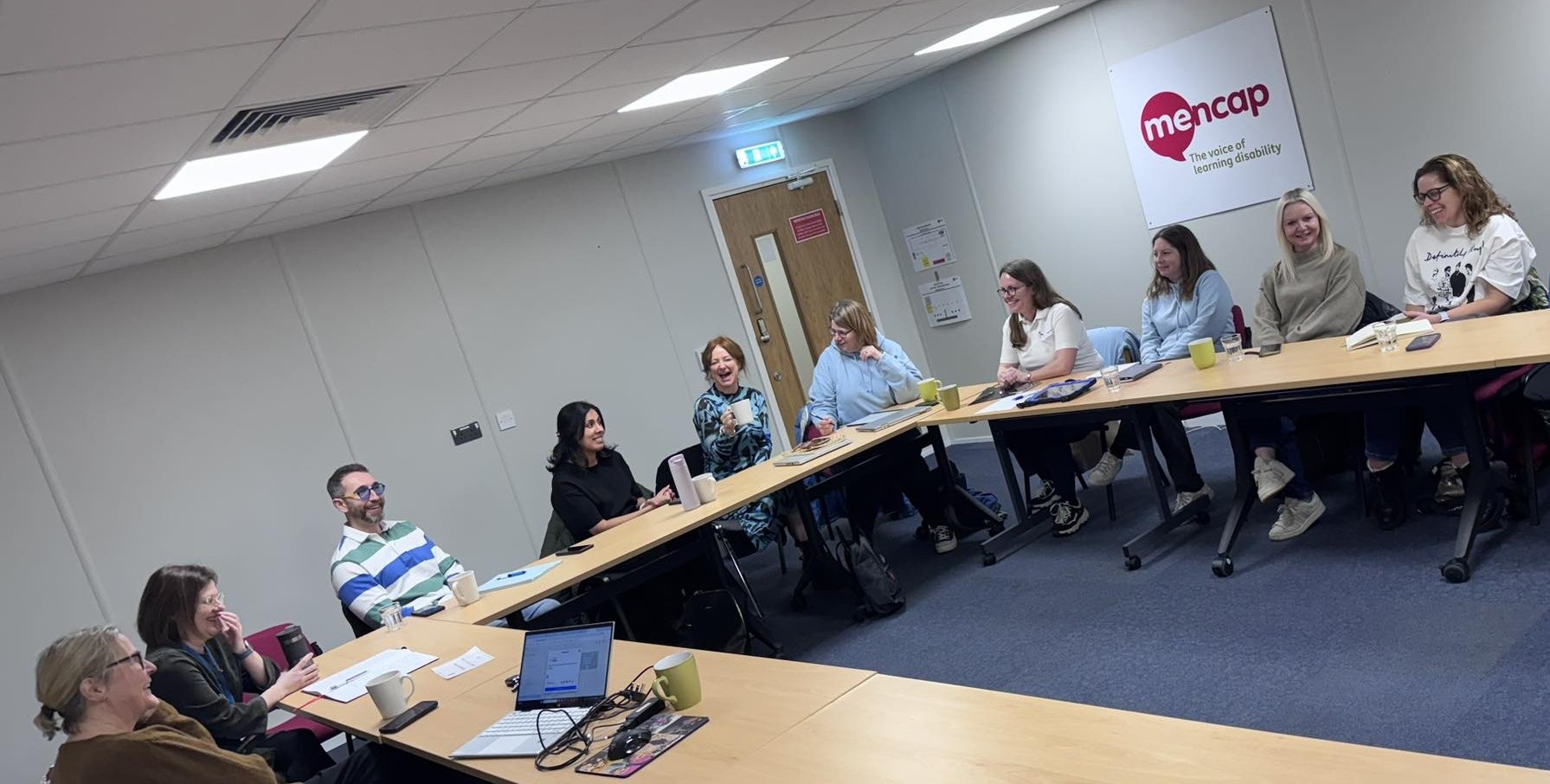
Last month, parent carers gathered at the Vinery Centre for a warm, honest conversation with key professionals from Leeds Council’s SENSAP, Early Help, and CHAD teams. The session was all about real talk – sharing frustrations, asking tough questions, and getting straight answers from the people who shape local SEND services.
Who Was There?
- Charlie Lowe (Head of SENSAP & SEND Funding)
- Maz Cullen (SENSAP Communications & Resolutions Officer)
- Anna Bedford (Early Help, Leeds Family Hubs)
- Caroline Tong (CHAD Service Delivery Manager)
- PCF reps and parent carers
Social Care: Feeling Alone & Navigating Support
Parent carers voiced feeling isolated and confused –especially after the loss of a much-relied-upon residential service (ASAS), with no clear replacement. Caroline explained that residential respite is now accessed via a social care assessment and referral to the RADAR panel. If approved, options include Rainbow House or short break foster care. For non-residential respite, families can use personal budgets or direct payments to employ a Personal Assistant (PA) or Individual Support Worker (ISW).
Concerns about ISWs: late arrivals, lack of engagement, and poor communication—were met with suggestions to consider the PA route for more flexibility and continuity. Caroline acknowledged the stress of managing personal budgets and emphasised that social workers are there to advocate for families.
Short Breaks Update: The lead for short breaks has left, and recruitment is underway. The aim is a fairer spread of options citywide, with PCF following up for updates.
Bigger Picture: Parent carers highlighted that lack of early support leads to crisis later, exhausting families and escalating needs. PCF reps stressed the importance of sharing these stories to drive change at board level.
SENSAP: EHCPs, Communication & Backlogs
EHCP Applications: Parents can apply for an EHCP at any time, but joint applications with schools are stronger. Charlie recommended using resources from Leeds Local Offer. PCF Reps also recommended Leeds SENDIASS and IPSEA. Charlie confirmed that while the legal timescale is 20 weeks, current waits are much longer, averaging 54 weeks.
Backlog Action: SENSAP has secured funding for a dedicated backlog team, aiming to be up and running by June 2026. This should help clear the current delays, with additional staff.
Steady State Action & Communication: Improvements are underway, including expanding the SENSAP Case Work Team, Resolutions team, and investing in more Educational Psychologists. Charlie was candid about the challenges – union negotiations and system reforms take time, but progress is being made. This should, in time, improve communication with families, which is being considered at a strategic level.
Support for Schools: Leeds is unique in providing extra funding to schools for SEN support, even without an EHCP. Schools can also access specialist teaching services and other support networks.
Phase Transfers & Consultations: For children in phase transfer years, SENSAP consults with relevant schools (mainstream or SILC). If a child is already in a SILC, then a consultation process may not be necessary with mainstream for phase transfer. The situation is different for those in independent specialist provision.
Waiting for an EP? Unfortunately, there’s no way to speed up the process. Educational Psychologists are managed separately.
Final Thoughts
The coffee morning was a blend of empathy, honesty, and practical advice. The professionals present shared their own lived experiences as parents and educators, reinforcing their commitment to listening and fighting for families. While the journey to fix the system is ongoing, sessions like this show that your voices are being heard and that change, though slow, is on the way.
If you have questions or want to share your story, please reach out to the PCF. Your experiences help shape the future of SEND services in Leeds.